Basement Flooding: The Complete Cleanup and Drying Guide
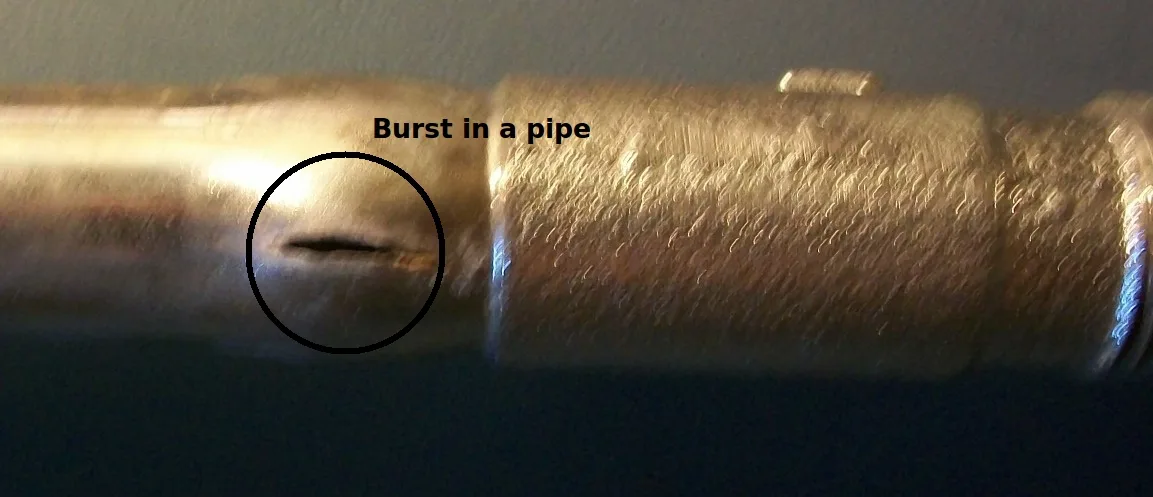
Basements flood from the bottom for the same reason they feel damp: gravity and soil pressure. Whether the water came through the foundation, a failed sump pump or a burst supply line, the cleanup sequence is the same — and the order matters more than the tools.
Step 0: safety before water
- Do not enter standing water until power to the basement is confirmed off — including the furnace circuit
- If the water is sewer-backed or came from floor drains, treat it as Category 3 (black water): rubber boots, gloves, no skin contact, no children or pets downstairs
- Ventilate as soon as it is safe: open windows, run exhaust if available
Pumping out: the 30 cm rule
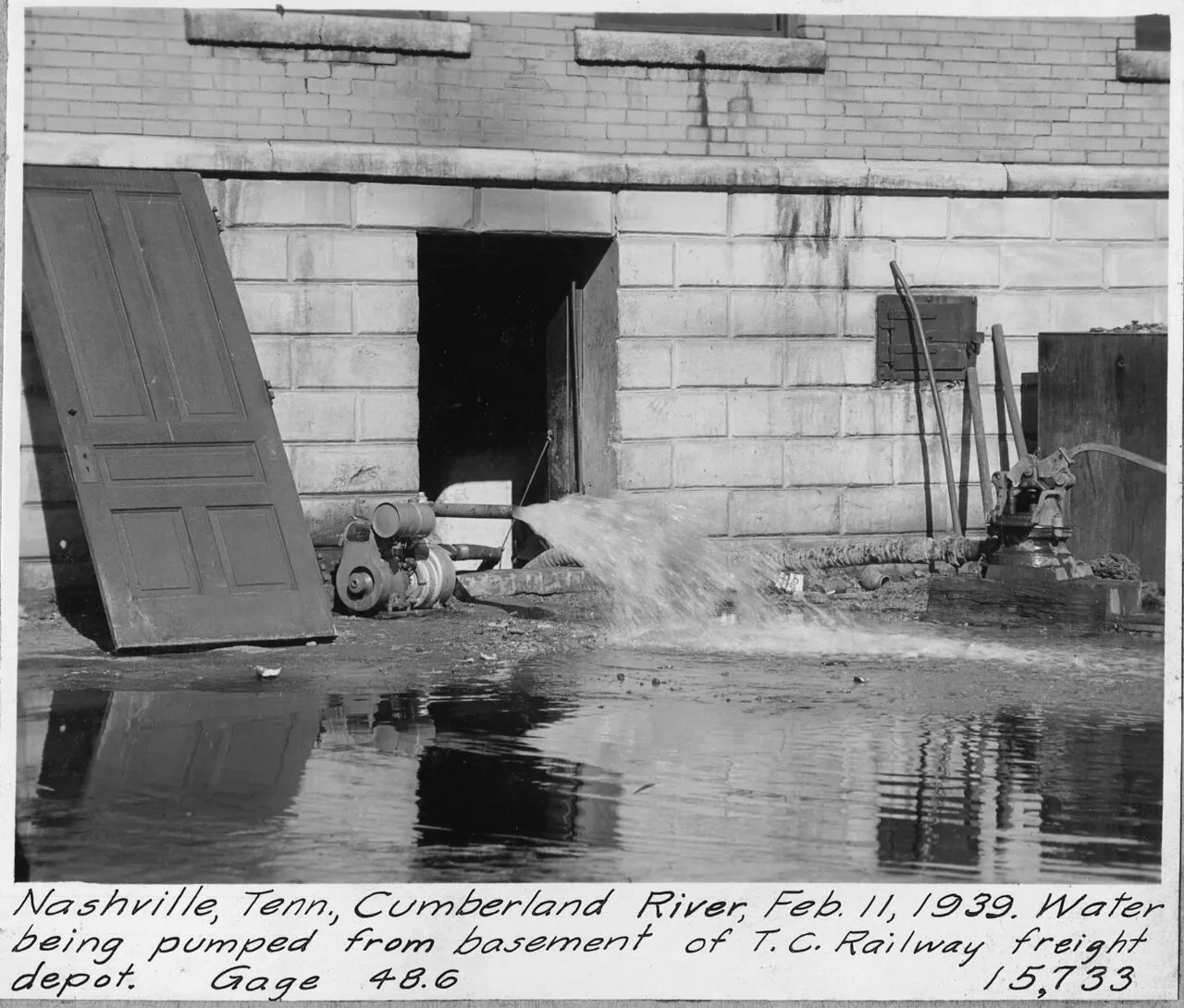
Drain a deep flood slowly — about 30 cm per 24 hours. Pumping faster creates outside pressure that can crack or bow walls on clay soils: the groundwater pushes in while the water still in the basement pushes out, and the walls take the difference. Mark the waterline and track the drop.
After the water: the wet inventory
- Carpet and pad in a finished basement: the pad is almost always a loss; the carpet can sometimes be saved if cleaned and dried within 24–48 hours
- Drywall: cut and remove anything that touched water plus 30 cm above the line
- Insulation in walls: wet fiberglass rarely dries in place — remove it
- Stored items: porous cardboard and fabric that sat in black water are a loss; hard plastic, glass and metal clean up
Drying the structure, not just the room
Rent two air movers per wet wall and a commercial dehumidifier — a household unit cannot keep up with a basement's cubic meters. Run the equipment 3–5 days, then check with a moisture meter: studs and slab should read within a few points of dry baseline. Sealing anything — flooring, insulation, paint — before that reading is the single most common basement mistake, and it ends in mold behind the new surface.
Decontamination and prevention
- Hard surfaces: wash with detergent, then disinfect; porous surfaces touched by black water: dispose
- Address the cause before refilling the room: sump pump service with battery backup, downspout extensions, grading, a backwater valve for drain backups
- Keep a simple log with photos: insurers and buyers both value the paper trail
Preguntas frecuentes
Is a wet furnace or water heater salvageable?
Any appliance whose burner, motor or electronics sat in water needs professional inspection before restart — many are written off for safety, especially gas units.
How long does a flooded basement take to dry?
With proper equipment, 3–5 days for the structure; without equipment, weeks — long enough for mold to be certain.
Does insurance cover basement flooding?
Sudden plumbing failures usually yes; groundwater seepage usually requires separate coverage. Check the policy before the next storm, not after.
In summary
Power off, black water respected, pump slowly, discard porous losses, dry with real equipment and verify with a meter before closing anything. Then fix the cause — or plan to repeat the whole sequence next spring.