The First 24 Hours After Water Damage: An Hour-by-Hour Action Plan
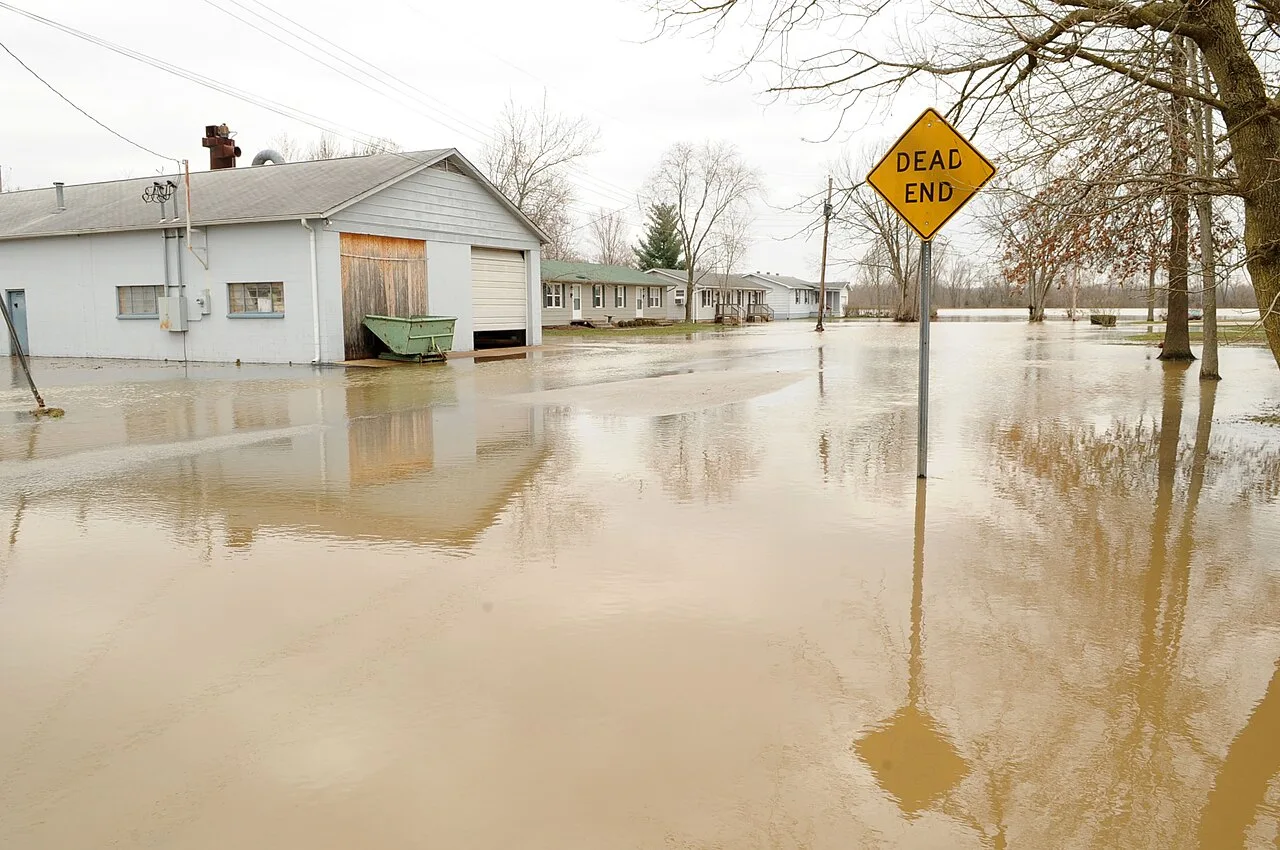
Water damage is measured in hours, not days. Within 24 hours, clean water starts warping wood, drywall begins to swell, and the mold clock starts ticking. The homeowners who recover fastest are not the ones with the best insurance — they are the ones who moved fast and in the right order.
Hour 0–1: stop the water and cut the power
- Shut off the main water valve if the source is plumbing; stop appliances and cap the supply line
- If water reaches outlets, cords or the panel, kill the circuit — electricity and standing water are a fatal combination
- Move valuables, electronics and rugs off wet floors; lift furniture onto foil or wood blocks
Do not use a household vacuum on water. Do not stand on wet carpet with power live. The first hour is about stopping the inflow, not drying.
Hour 1–3: document before you touch anything
Photograph and video everything before extraction: the source, the water lines on walls, each damaged room, serial numbers of ruined equipment. Insurers adjudicate on evidence, and the evidence disappears as soon as you clean. Wide shots per room, close-ups of each damaged item, a written list as you go.
Hour 3–8: extract and ventilate
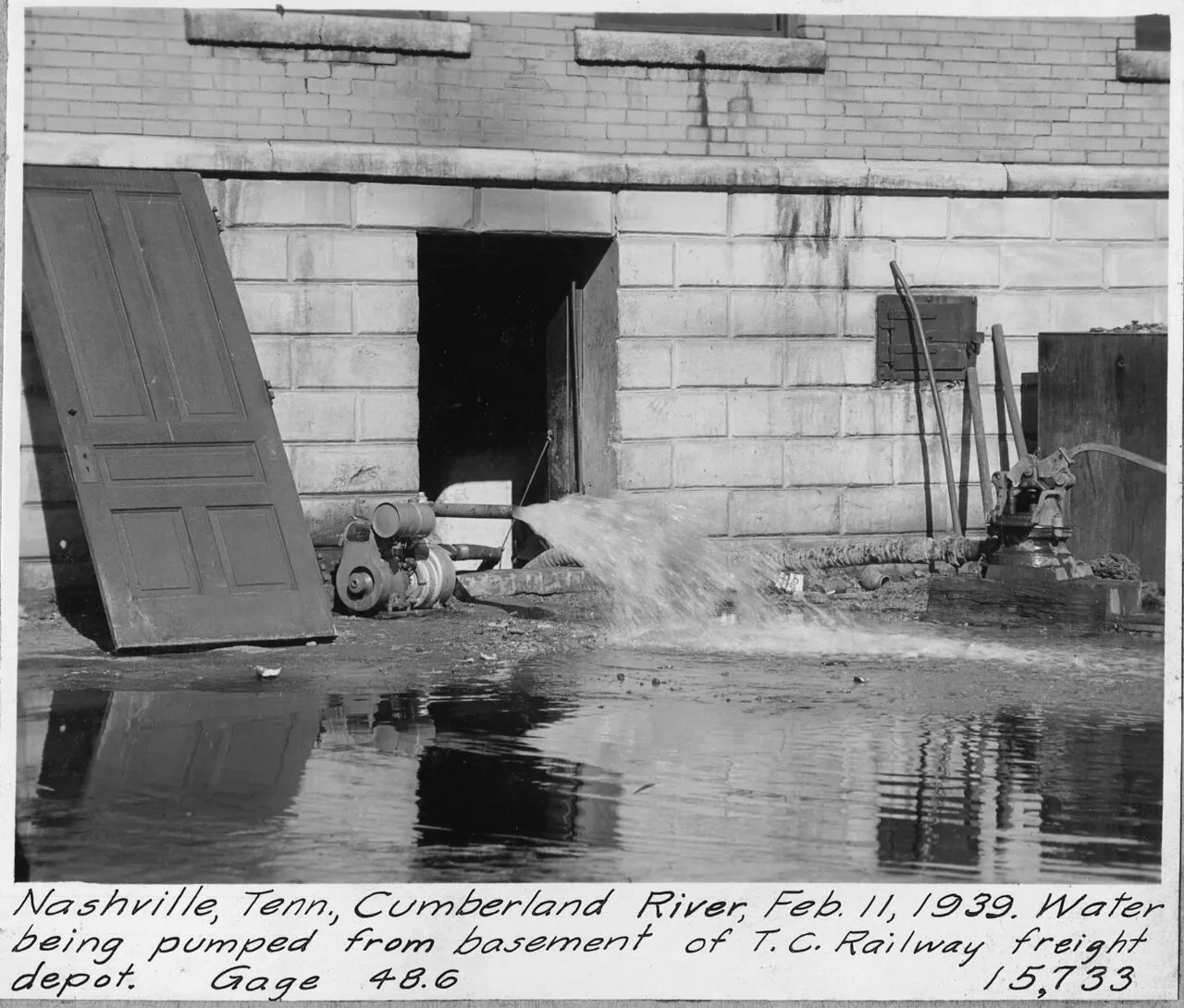
- Wet/dry vacuum, mop and towels for standing water; rent a submersible pump if water is deeper than a couple of centimeters
- Open windows if outside air is drier than inside; otherwise run AC or dehumidification
- Pull up the edge of soaked carpet to check the pad — a saturated pad almost always needs replacement
Hour 8–24: start structural drying and call for help
Place air movers and a dehumidifier — one household dehumidifier is usually not enough for more than one small room. This is also the point to call a professional restoration company if the affected area exceeds a room, the water is Category 2 or 3 (gray or black), or water reached wall cavities. Professionals have moisture meters — the tool that tells you what is actually wet inside walls, which your eyes cannot.
The mistakes that cost the most
- Waiting for the insurance adjuster before extracting: mitigation is your duty; insurers expect you to prevent further damage
- Tearing out wet drywall too early or too late: cut at the moisture line, typically 30–60 cm, not at the waterline you can see
- Declaring victory when the surface is dry: hidden moisture in cavities is what grows mold two weeks later
Preguntas frecuentes
Does insurance cover the damage?
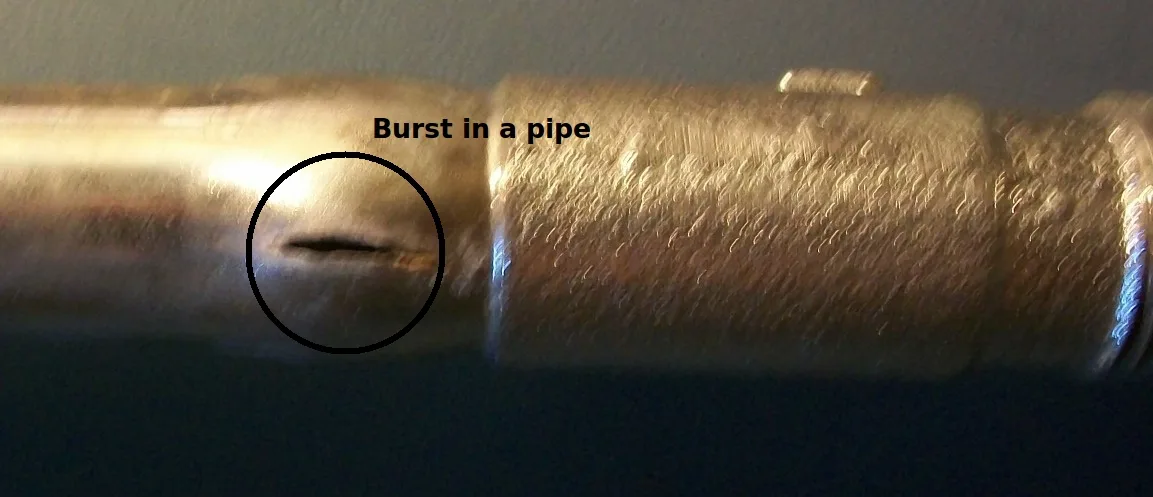
Sudden and accidental events (burst pipe, appliance failure) are typically covered; gradual leaks and flooding from outside usually are not. Your documentation from hour 1–3 is what makes the claim work.
Can I dry it myself if it's one room?
For clean water on a small area with no wall cavity involvement, yes — with rented air movers and a dehumidifier, and a moisture check after 3–4 days. When in doubt, one professional inspection is cheap compared to mold remediation.
When is it safe to turn power back on?
Only after an electrician confirms the circuits and outlets that were wet. Water in an outlet can arc even after the water is gone.
In summary
Stop the source, kill power where needed, document everything, extract fast, dry with equipment and check hidden moisture. The first 24 hours are a sequence — and each hour of delay multiplies the bill.