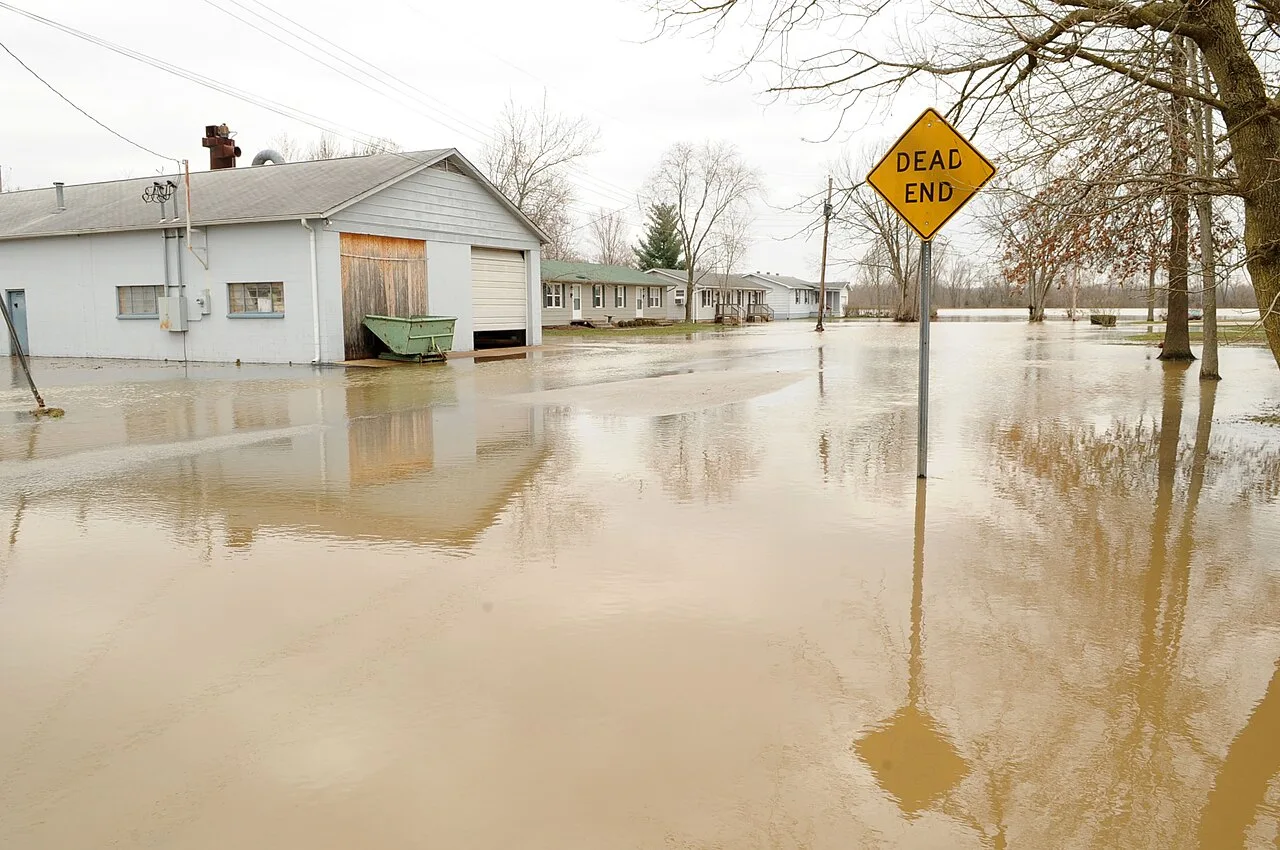
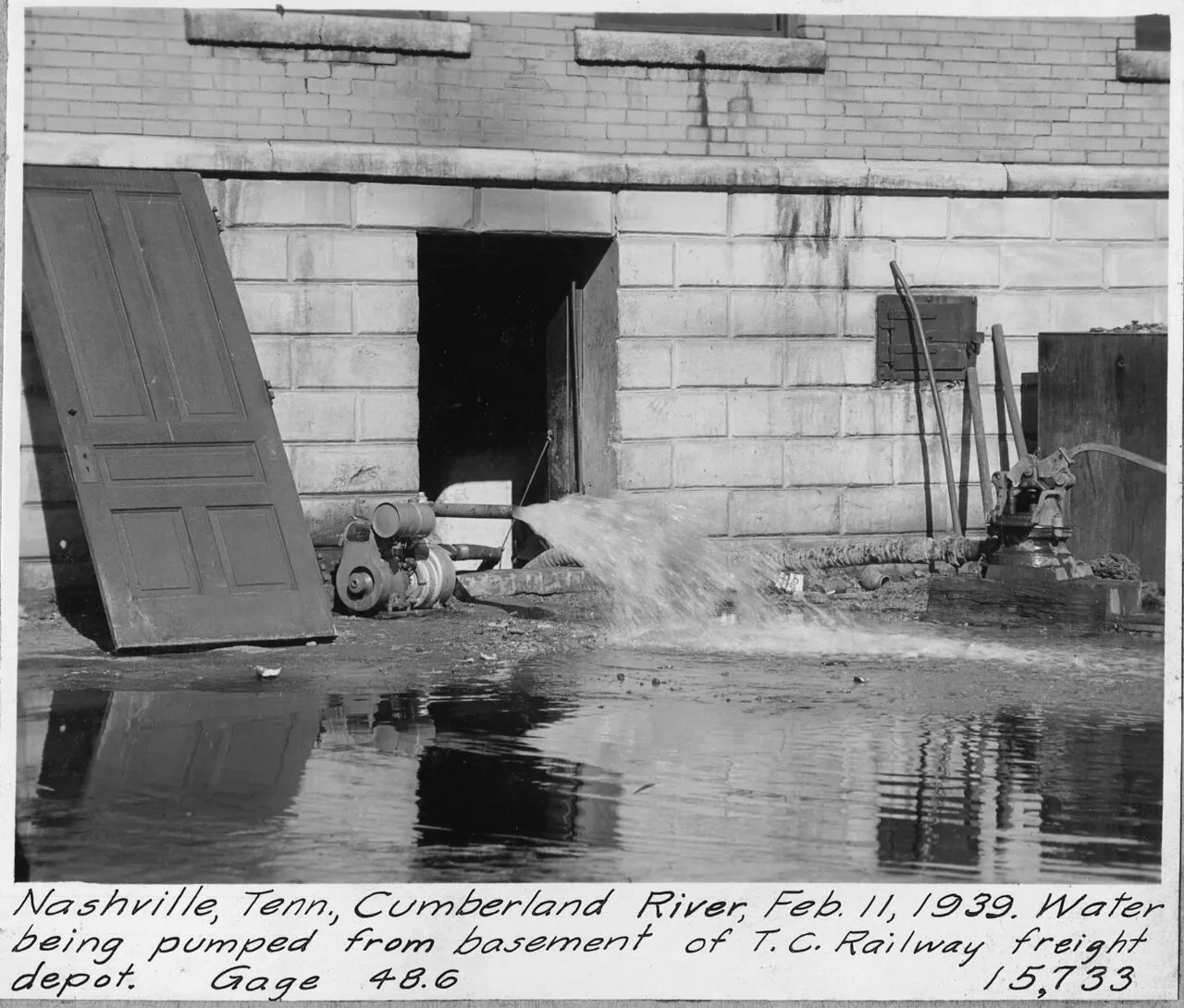
Water Damage Insurance Claims: Nine Tips That Change the Payout
Most denied or reduced water damage claims are not lost on the damage itself — they are lost on process: late reporting, missing evidence, misunderstood policy terms. These nine tips are the difference between the payout you deserve and the one you get.
Before anything else
- 1. Report promptly — policies require notice 'as soon as reasonably possible'; delay gives the insurer a reason to question everything after
- 2. Mitigate further damage — extract water and dry; the policy covers the loss, not the neglect of what happens after
- 3. Read your deductible and exclusions before arguing — flood from outside, gradual leaks and sewer backup are commonly separate coverages
Documentation that holds up
- 4. Photograph before cleanup: source, waterlines, each room, each item — wide then close
- 5. Keep everything: the failed pipe part, the ruined rug, the appliance with the burst hose — adjusters inspect originals
- 6. Make a written inventory room by room with approximate ages and replacement values; receipts help and are rarely fatal without them
Managing the process
- 7. Track costs: mitigation invoices, equipment rentals, hotel receipts — additional living expenses are usually covered when the home is uninhabitable
- 8. One point of contact in writing: summaries of every call with date and name; email beats phone for anything binding
- 9. Know your next step: if the offer is low, a public adjuster or an independent contractor quote re-opens the number — dispute procedures exist and deadlines for them matter
The conversation that decides the claim
The adjuster's first offer is a starting position, not a verdict. What moves it: competing written estimates from licensed contractors, the moisture documentation showing the full extent (adjusters underrate what is behind surfaces), and calm persistence through the dispute channel. Remember the insurer's incentive is not to cheat you — it is to settle fast and cheap; your file's organization is the counterweight.
Preguntas frecuentes
Should I use the insurer's preferred contractor?
You are generally entitled to choose your own; preferred vendors are fast and guarantee their work, but an independent estimate is your right and often your leverage.
The claim was denied as 'gradual damage' — now what?
Ask in writing for the specific policy language relied on. Sudden failures of old pipes are covered even when the pipe was old; the distinction is the failure mode, not the pipe's age.
How long does a water damage claim take?
Straightforward claims settle in weeks; structural losses with content inventories take months. The documentation quality is the biggest single variable you control.
In summary
Report fast, mitigate, photograph everything, keep the evidence, track the costs and manage the file in writing. Claims are documents arguing politely on your behalf — build the file before you need it.