Mold After Water Damage: The 48-Hour Window and How to Beat It
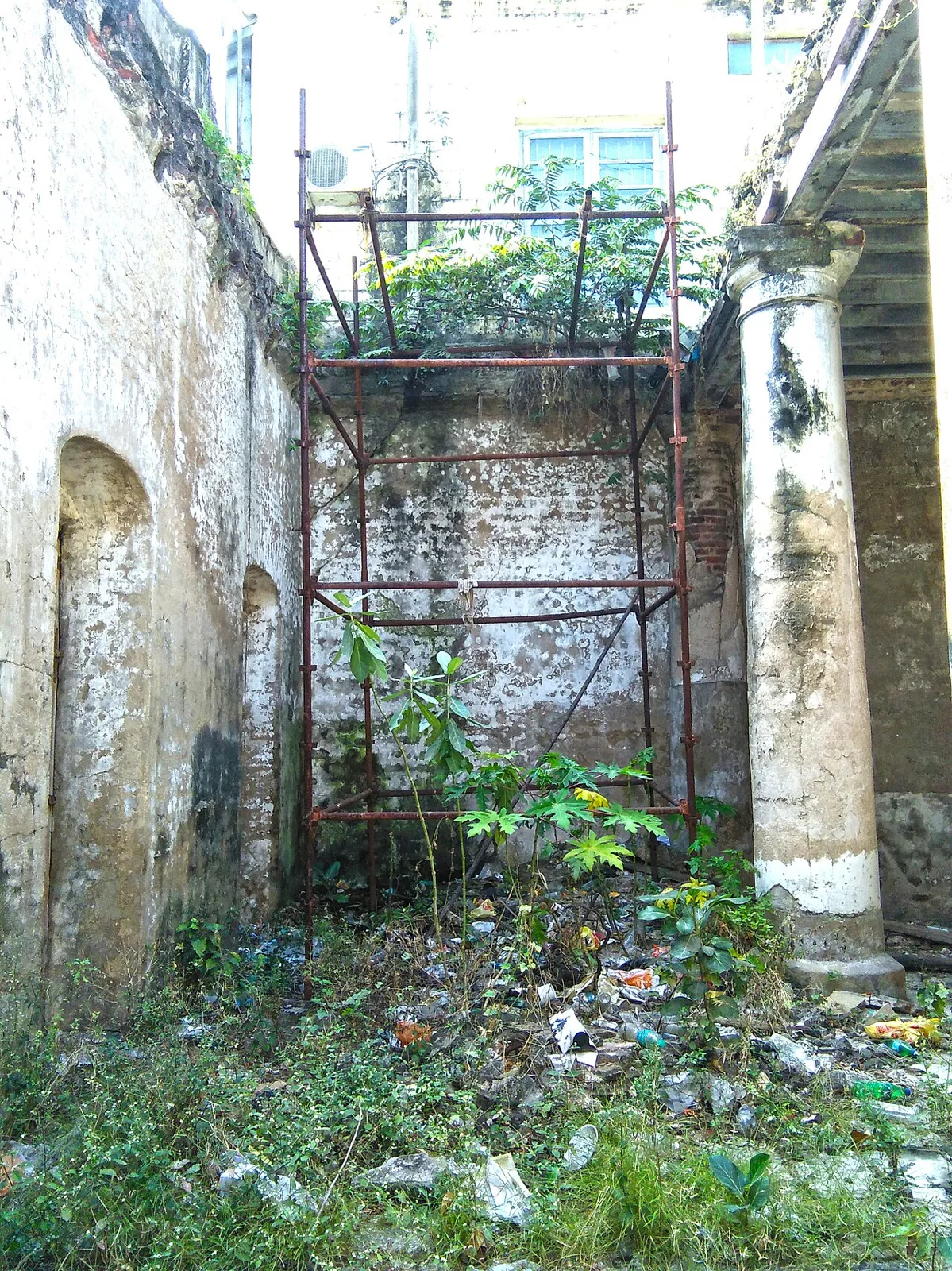
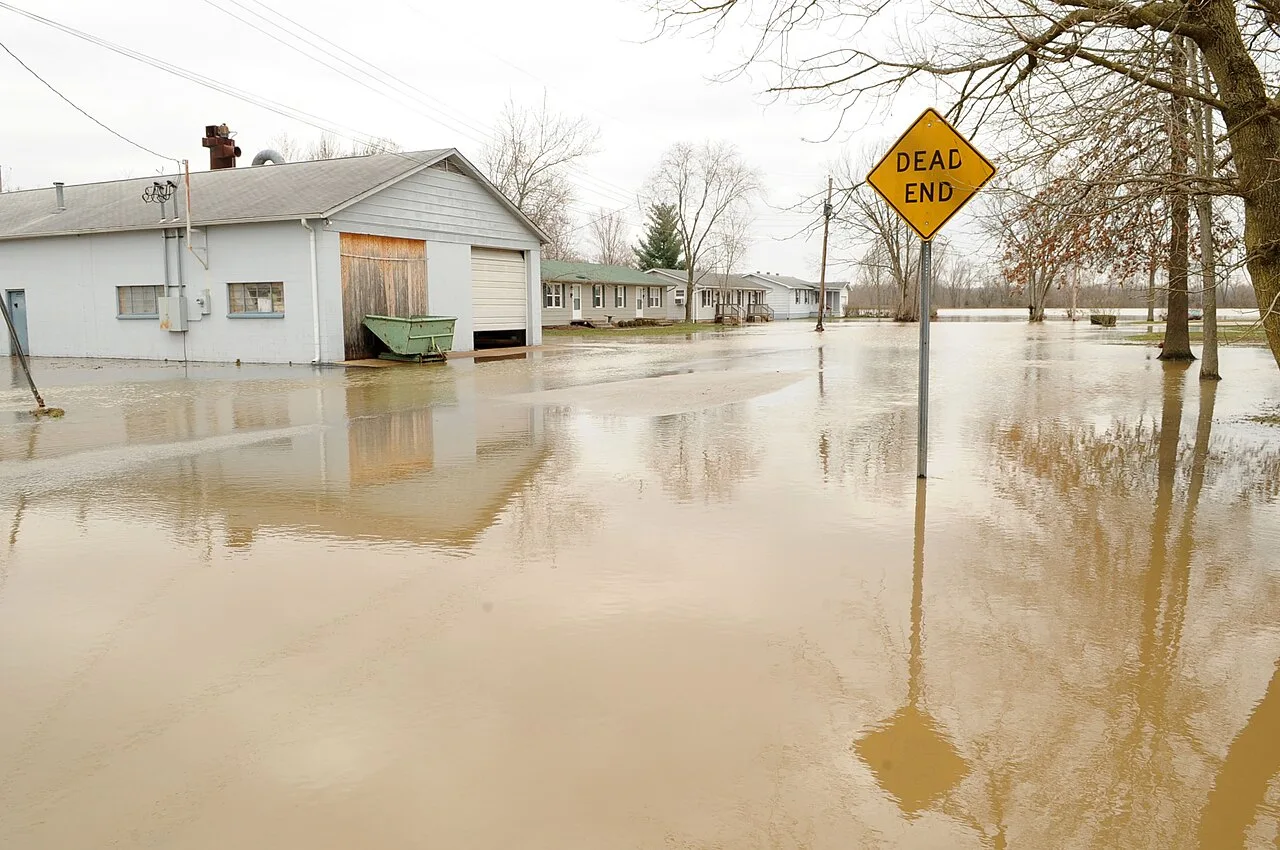
Every water damage decision is really a mold decision. Mold spores are already in every home; what they lack is water. Give them moisture on drywall, wood or carpet for roughly 48 hours, and colonization begins — which is why the drying timeline is not about comfort, it is about biology.
The 48-hour rule in practice
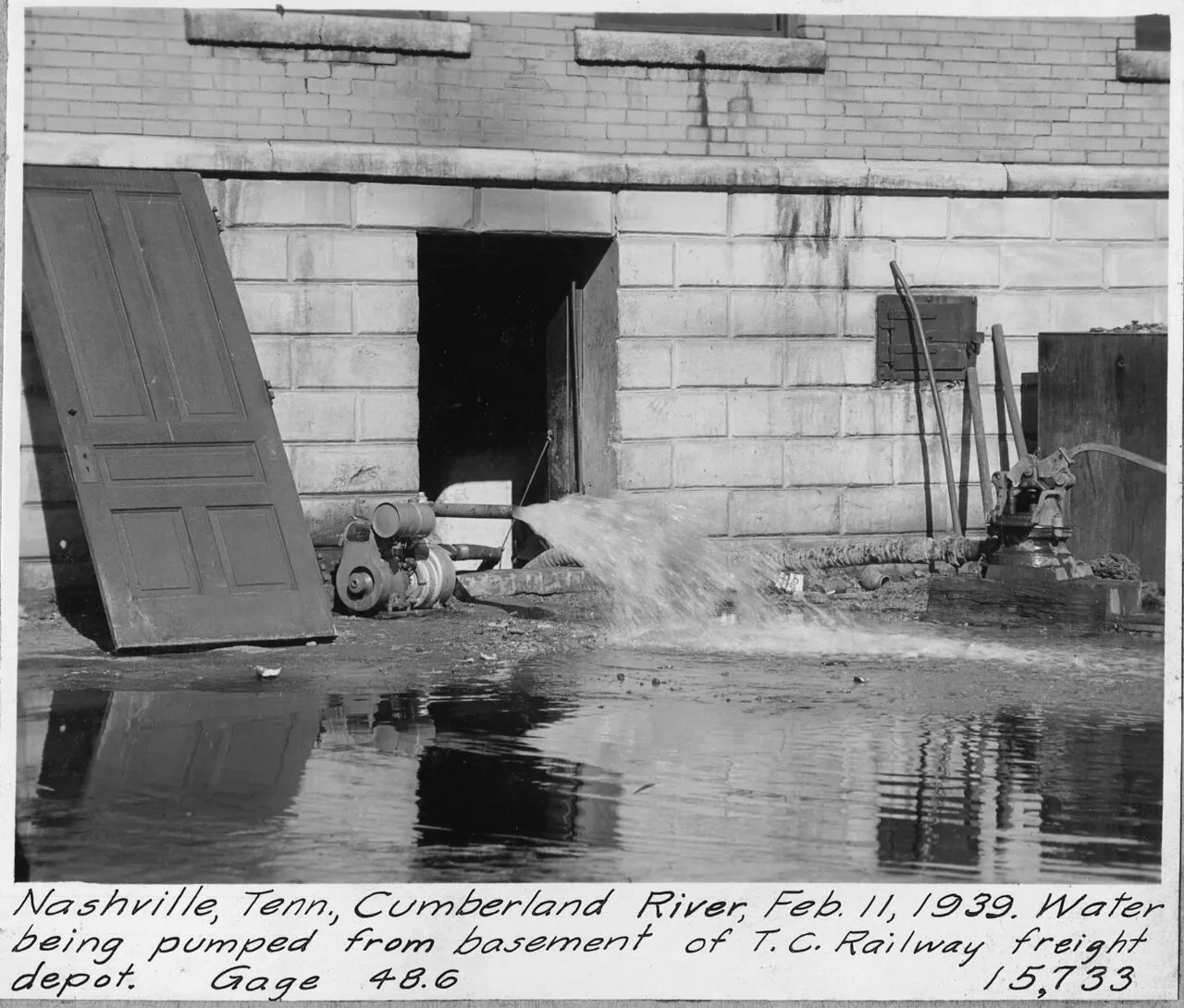
- Day 0–1: extraction and ventilation — remove standing water and start air movement immediately
- Day 1–3: aggressive drying — air movers plus dehumidification, cavity holes if walls are wet inside
- Day 3: verification — moisture meter readings on studs, sill plates and subfloor; wet means keep drying, not keep waiting
Miss the window and the question changes from 'how do we prevent mold' to 'how do we remove it' — a job with different equipment, different cost and different health stakes.
Humidity is the dial you control
Indoor relative humidity should sit at 30–50% during drying and below 60% after. A $20 hygrometer tells you what the space actually is — the single cheapest instrument in water damage. A dehumidifier sized for the room, emptied or drained continuously, is what moves the number; opening windows helps only when outdoor air is drier, which you also check with the hygrometer.
The surfaces that decide the outcome
- Dry drywall quickly and it stays; drywall wet for days usually loses its paper facing to mold — replace it
- Solid wood dries and survives; particle board and MDF swell and delaminate — replace them
- Carpet: the fiber can survive, the pad rarely does; carpet that sat wet over 48 hours is usually a loss
- behind-baseboard and under-window sill plates: the classic hidden wet spots — check them by meter, not by eye
When you are past prevention
Mold remediation becomes the correct step when growth is visible over roughly one square meter, when there is a persistent musty smell after drying, or when anyone in the home has unexplained respiratory symptoms. Small surface colonies on hard materials can be cleaned by the homeowner with detergent (bleach is not necessary on porous surfaces — it wets without killing); anything larger, or anything inside cavities, belongs to a professional with containment.
Preguntas frecuentes
Can I just use bleach on everything?
On non-porous surfaces, detergent does the job. On drywall and wood, bleach's water component soaks in and can feed the mold you cannot see — the answer is drying and removal, not chemicals.
How do I know it's mold and not dirt?
Mold grows — it appears in patches that spread, often with a musty odor. A tape-lift or swab test from a lab confirms species for a modest fee if the distinction matters.
Is mold dangerous for everyone?
Health effects vary: allergies and asthma are the common reactions, infants, elderly and immunocompromised people are more sensitive. Amount and duration of exposure matter — another argument for fast drying.
In summary
Dry fast, measure humidity, verify with a meter before closing surfaces, and replace what stayed wet past 48 hours. Mold prevention after water damage is not a product — it is a schedule.