Water Damage Categories and Classes: What the Industry Labels Mean for Your Home
Restoration professionals sort every water loss along two axes: how contaminated the water is (Category) and how deeply the structure is wet (Class). Understanding both tells you what is reasonable to handle yourself and what belongs to a professional — and it is the vocabulary your insurance adjuster will use.
Categories: how dirty is the water
- Category 1 — clean water: from supply lines, appliance hoses, rain through a roof. No immediate health threat; fast drying can save most materials
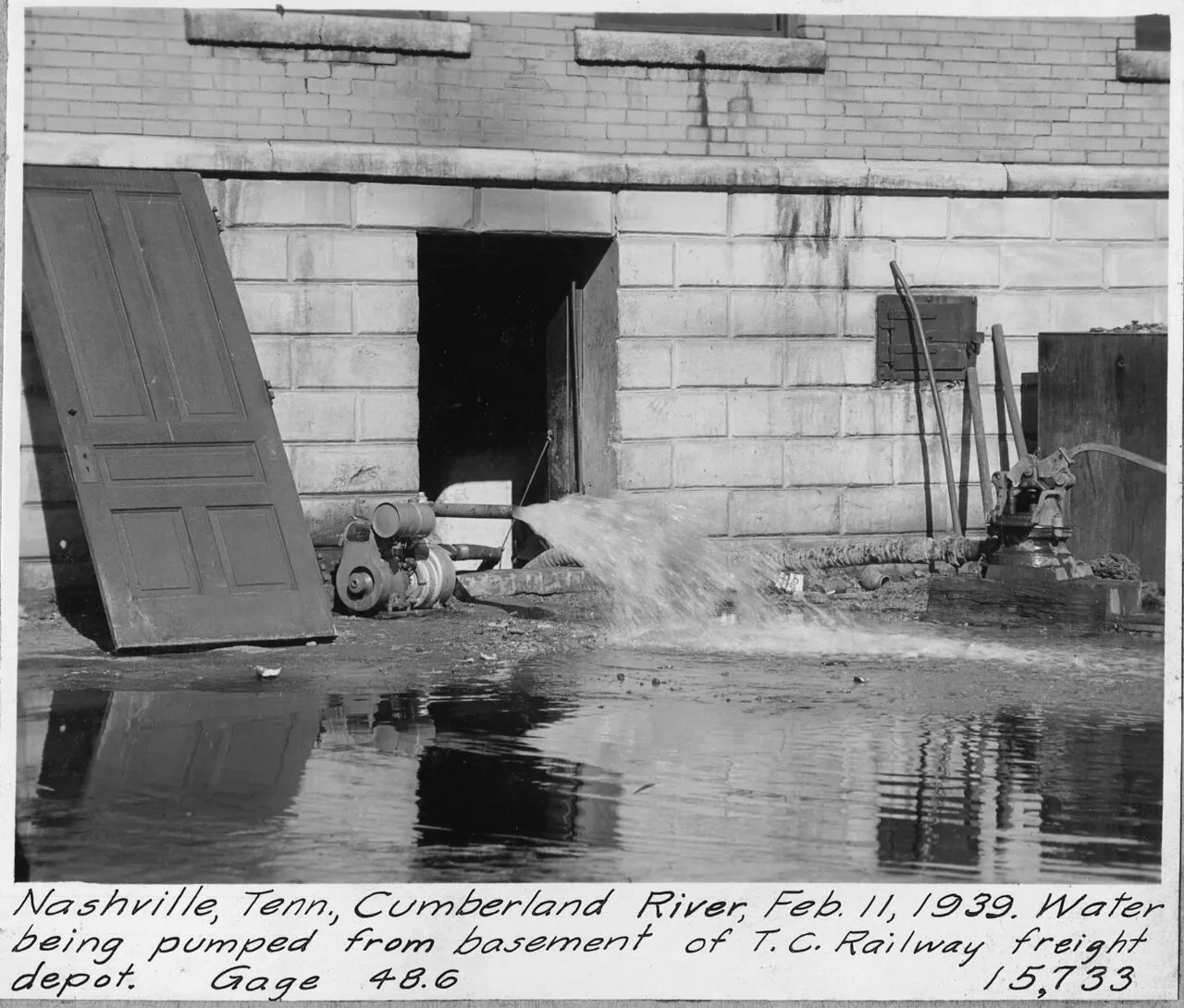
- Category 2 — gray water: dishwasher or washing machine discharge, toilet overflows with urine, sump failures. Contains microorganisms; skin contact is unwise, porous materials often need disposal
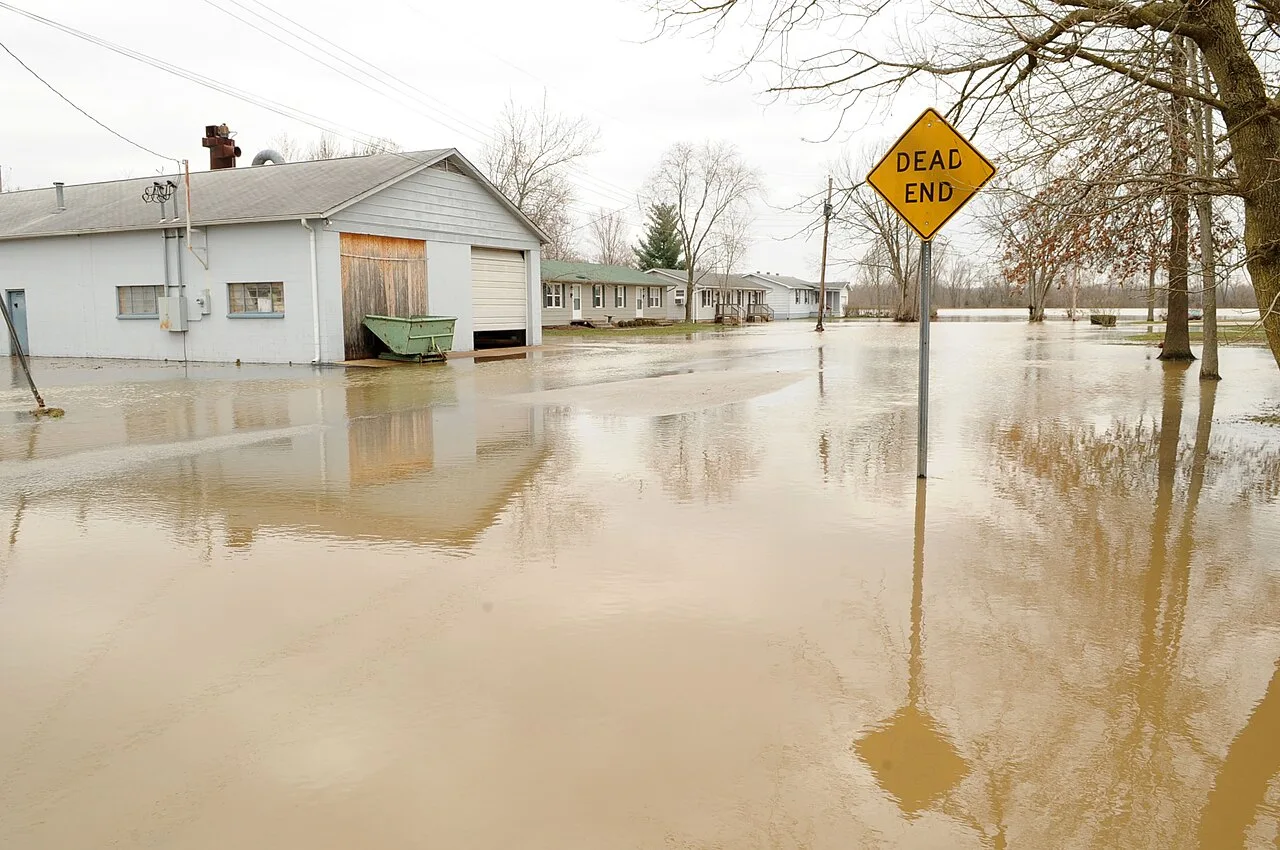
- Category 3 — black water: sewage backups, rising groundwater, water that has sat for days. Serious health hazard: protective equipment, disposal of porous materials, disinfection of what remains
The category can degrade over time — clean water sitting in a warm house for 72 hours is effectively gray; any water that has touched building materials for long enough trends toward Category 3. Speed is also a safety measure.
Classes: how deep does it go
- Class 1: minimal — one room, low-porosity materials, little absorption. DIY territory
- Class 2: a whole room, water wicked up walls under 60 cm, wet carpet and cushion
- Class 3: walls saturated above 60 cm, ceilings and insulation involved, water from above
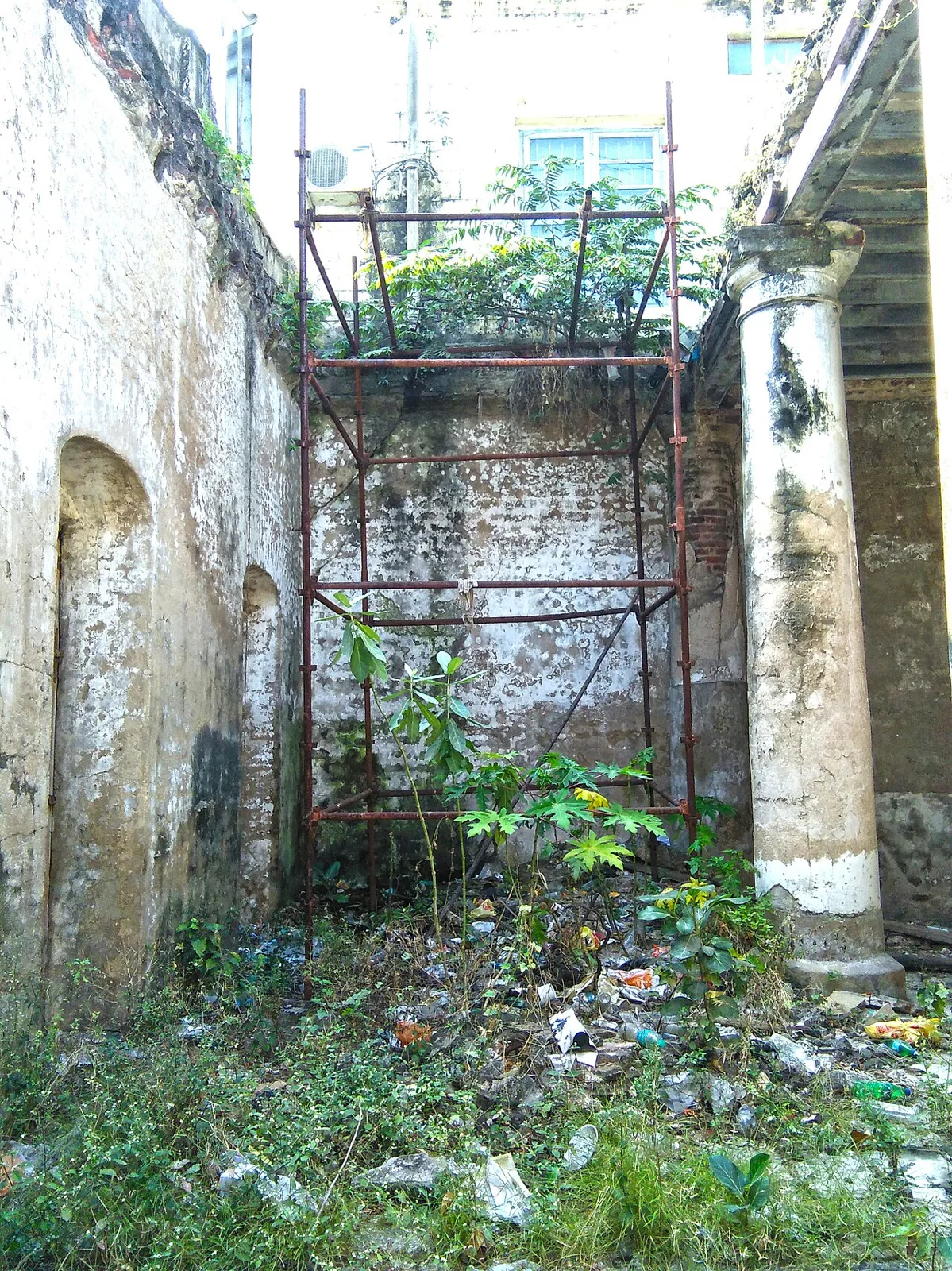
- Class 4: specialty drying — hardwood, concrete, stone with deep-bound moisture needing low humidity for days
Class drives the equipment count: a Class 2 job is two air movers and a dehumidifier; Class 3 typically needs cavity drying systems and daily monitoring.
Why the labels decide money and health
Insurance contracts generally cover sudden, accidental water damage but read the category fine print: sewer backup often needs an endorsement; groundwater flooding usually needs separate flood coverage. On the health side, the rule is firm: Category 2 and 3 work is for people with PPE — gloves, boots, respirator — and for families with children, elderly or immunocompromised members, professional handling of anything beyond Category 1 is not overcaution.
Preguntas frecuentes
My toilet overflowed with only water — category?
If it was clean supply water with no solids, it starts as Category 1 — but treat any toilet overflow near contact risk as Category 2 and clean with disinfectant. When in doubt, downgrade the category, not your caution.
Does a Class 4 loss mean replacing hardwood?
Not automatically: hardwood can be dried in place with specialized systems if response is fast. The decision is made with moisture readings across the board after 48–72 hours of drying.
Who decides the category officially?
The restoration company documents it; the adjuster confirms it against the policy. Your own photos of the source and timeline protect you if there is a dispute.
In summary
Category is about contamination — clean, gray, black. Class is about depth — surface to saturated. Together they set the safety rules, the drying plan and the claim; knowing your loss's labels is knowing its real cost.